
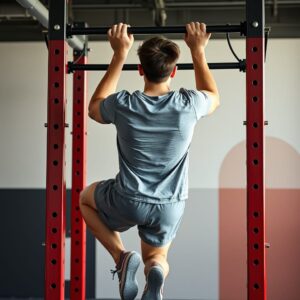
The focus, the primary goal of going to school, is to learn; to gain skills and knowledge; and to get a good education. The primary focus of your activity therefore needs to be on academic study. However, this does not mean that you should ignore health and fitness, or skip out entirely on any physical activity or sports solely to make more time for study. Having a healthy body contributes to the development of a healthy mind.
There have been studies showing that regular physical activity helps to prevent dementia and Alzheimer’s disease in old age. But you do not have to be a senior citizen to benefit mentally from physical activity, sports, and exercise. Even as a young person, regular physical activity will boost your metabolism, boost your immune system (so you do not miss so many days of school being out sick), and improve overall blood flow, thereby improving your ability to learn and study. Your brain requires oxygen delivered by blood flow, so healthy blood flow contributes to healthy brain function, helping you study and learn more effectively.
Regular exercise can improve focus and concentration. You can remain more attentive to the material you are studying for a longer period of time, boosting the results of time spent studying. Regular exercise also enhances memory. You will remember more of what you study, for a longer period of time.
Regular exercise can also improve executive function. You will be able to plan better. Organizing and problem solving ability will improve. You will be more able to execute and get things done. Finishing that math homework followed by writing a few pages in the essay for English class will flow more smoothly. I recall reading a line somewhere “manage your focus, not your time.” This is key for getting things done.
Exercise can increase your overall energy and alertness. Those hours spent studying will fly by rather than feel like a drag, because your are more energetic and alert. The material you study will imprint better in your mind this way when you study. Remember the last time you were in class and felt drowsy and lethargic? You did not learn the material very well, did you? Compare that to the last time you remember being in class where you felt alert. Big difference in learning, right?
Exercise reduces stress. Test anxiety will be ameliorated, and you won’t be developing ulcers from over-worrying about schoolwork. The work and studying still needs to get done, but it won’t drag you down so much. Long-term stress contributes to disease and ill health, so by exercising regularly you are contributing to your health over the full length of your lifespan. Less stress also means you will be able to think more clearly, contributing to your learning and problem solving abilities.
Exercise can improve your mood by stimulating endorphins and serotonin, allowing for more emotional stability. You can keep your cool more easily under stressful situations. Improved mood means you will enjoy going to school more (or at least you will dislike it a bit less). And if you enjoy what you are doing, you will naturally work harder and excel.
You will sleep better at night (so long as you do not exercise right before bedtime). Better sleep at night means more cognitive ability and better learning and study during your daytime waking hours. Really, do you want to go to class when you are so sleepy and tired that you are practically walking into walls? I certainly would not want to do that.
Regular exercise supports brain growth and neural connections. This will obviously aid your mental function, and your ability to study and learn effectively. The hardware has to be in good working order for the software to execute well.
Exercise can increase your creativity and problem solving ability. This may lead to novel solutions to problems you may be working on, most notably in subjects such as math or science. You might have more inspired creative ideas for the papers you write in subjects like English or History. Sometimes problem solving relies on those “aha!” moments that seem to come out of the blue. Regular exercise can facilitate this by giving you a sharper mind.
With all these benefits, you should find it to be no surprise that there is a correlation between regular exercise and better overall academic performance. It will help you earn better grades and achieve higher test scores. At the risk of sounding a bit like an academic mercenary, you really have two jobs in going to school. One, is to learn. Two, is to earn good grades. Earning good grades shows a potential employer that you are willing and able to execute tasks in a way that meets the standards set by those in authority. That will make you valuable in the job market, which you will face someday as we all do.
Finally, there are intangible benefits of resilience and grit. By exercising consistently, you are training yourself to be more disciplined overall. Carrying this discipline over to your academic study will help you do better in school. Often a person who can develop discipline in one field can apply that same discipline to succeed in other fields. The most notable example I can think of is an Asian American who first served as a Navy SEAL, and later became a medical doctor. And then after all that he became an astronaut. Another example is that US Army Special Forces medics often later go on to successfully complete medical school and become medical doctors.
Take care of your health! What do you think? Please leave a comment. Thanks for reading.